
Blog y noticias
Unlock Savings with the Best Home Solar Loan Options
Unlock Savings with the Best Home Solar Loan Options
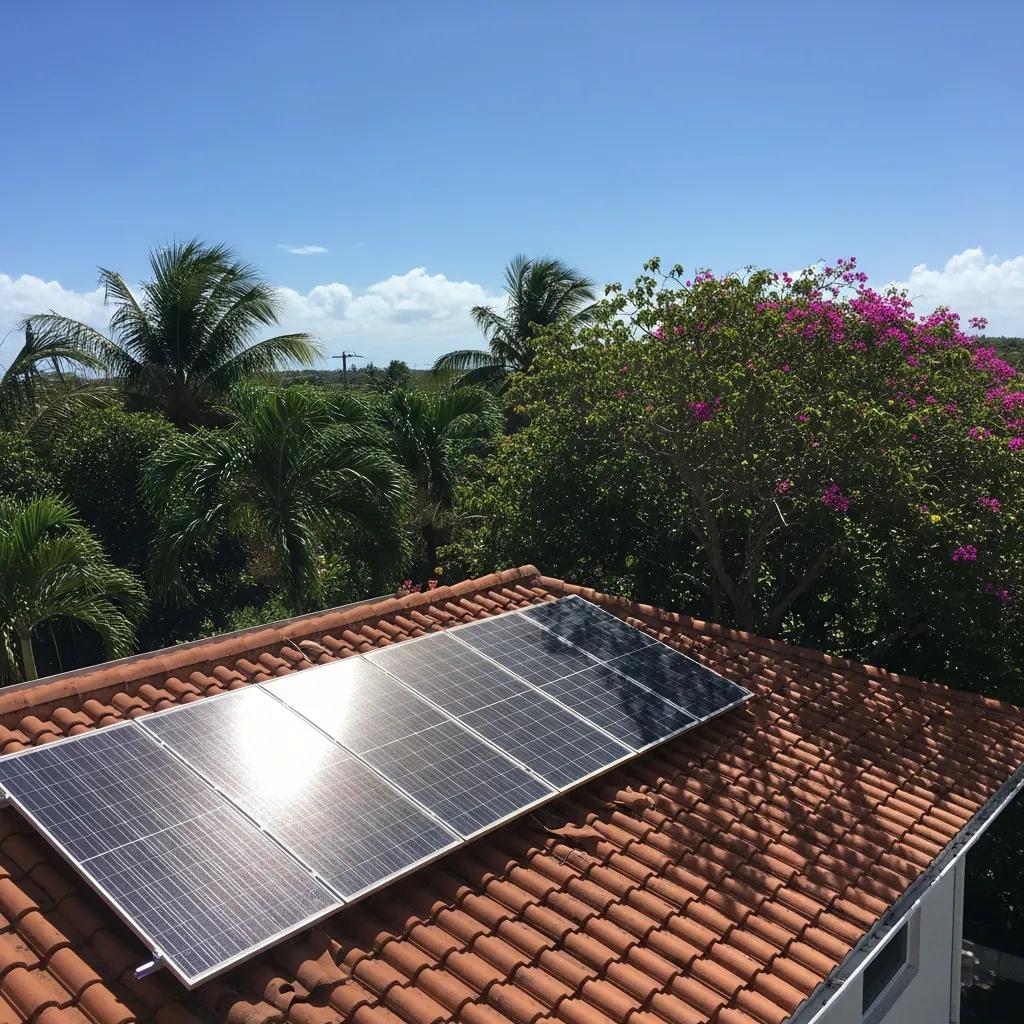
Best Solar Loan Options for Residential and Commercial Customers in Puerto Rico: Compare Rates and Financing Solutions
Navigating solar financing in Puerto Rico can be complex for homeowners and businesses. This guide compares residential and commercial solar loan options, outlines benefits, application steps, eligibility, and tax incentives, and explains how to choose financing that maximizes energy savings and return on investment.
What Are the Top Residential Solar Loan Programs Available in Puerto Rico?
Residential solar loans let homeowners finance panel installations with low-interest options and flexible terms, avoiding large upfront costs and allowing repayment over time.
These programs reduce electricity bills and can deliver meaningful monthly savings.
How Do Residential Solar Loans Help Homeowners Save on Energy Costs?
Loans enable homeowners to produce their own electricity, lowering utility bills immediately and over the long term.
- Immediate Savings: Start reducing utility bills once the system operates.
- Long-Term Financial Benefits: Loan payments can be offset by cumulative energy savings.
- Impact of Net Metering: Excess generation can earn credits and reduce bills further.
Together these benefits make loans attractive for many homeowners.
Which Residential Solar Loan Providers Offer Competitive Rates and Terms?
Compare providers by rate, term, fees, and service; options commonly start around 3.0–4.0% depending on credit and loan structure.
- Provider A: Competitive 3.5% rates with flexible repayment.
- Provider B: Known for quick approvals and solid customer support (≈4.0%).
- Provider C: Tailored solutions and low introductory rates (from 3.0%).
Evaluate fees, warranties, and service response when selecting a provider.
Which Commercial Solar Financing Options Best Support Puerto Rico Businesses?
Commercial options (loans, leases, PPAs) help businesses adopt solar while minimizing capital expenditure and managing energy costs.
- Loans: Business ownership of the system and access to tax incentives.
- Leases: No large upfront cost; predictable monthly payments.
- PPAs: Pay only for generated energy, often at rates below utility prices.
Choose the model that best matches cash flow and long-term financial goals.
What Loan Types Are Available for Commercial Solar Panel Financing?
Businesses can use low-interest loans, $0-down options, or third-party ownership to fit their capital needs.
- Low-Interest Loans: Lower borrowing cost, typical for credit-qualified borrowers.
- $0-Down Solar Loans: No upfront payment to start the project.
- Third-Party Ownership Models: Reduce capital risk by leasing or contracting generation.
Assess total cost, tax benefits, and operational control when choosing a loan type.
How Can Businesses Maximize Returns with Tailored Solar Loan Solutions?
Adopt strategies that improve payback and cash flow.
- Utilizing Tax Credits: Claim the federal ITC and other available credits to lower net project cost.
- Exploring Local Incentives: Combine municipal or utility rebates where available.
- Implementing Energy Storage Solutions: Store excess energy to reduce peak demand charges and increase self-consumption.
Layer incentives and operational improvements to maximize ROI.
How Does the Solar Loan Application Process Work for Residential and Commercial Clients?
The process is straightforward when applicants prepare required documents and site information in advance.
- Initial Consultation: Discuss needs, system size, and financing options.
- Application Submission: Provide income, credit, and property details.
- Approval Process: Lender evaluates creditworthiness and loan terms.
- Loan Closing: Funds are released and installation proceeds.
Being prepared speeds approval and installation.
What Are the Eligibility Criteria for Solar Loans in Puerto Rico?
Typical eligibility factors determine loan terms and approval odds.
- Credit Score: Higher scores often secure better rates.
- Income Verification: Proof of ability to repay is required.
- Property Ownership: Ownership or authorization for installation is necessary.
Meeting these criteria improves access to favorable financing.
What Steps Should Applicants Expect During Solar Loan Approval?
The approval sequence is predictable; timely responses help.
- Documentation Review: Lenders verify submitted documents.
- Credit Check: Standard credit evaluation is performed.
- Loan Terms Discussion: Agree on rate, term, and fees.
- Final Approval: Sign documents and schedule installation.
Clear communication with the lender reduces delays.
What Tax Incentives and Rebates Enhance Solar Loan Benefits in Puerto Rico?
Tax credits and rebates materially lower project costs and improve loan economics.
- Federal ITC: A 30% tax credit on qualified installations (policy subject to change over time).
- Local Rebates: Municipal or utility programs may offer additional reductions.
- Net Metering Benefits: Credits for excess generation can offset bills.
Combine incentives with financing to lower net investment and monthly payments.
Which Government Programs Provide Solar Tax Credits and Rebates?
Multiple programs support solar adoption at federal and local levels.
- Federal Solar Investment Tax Credit (ITC): Federal tax credit for qualifying systems.
- Puerto Rico Energy Bureau Programs: Local initiatives and guidance for projects.
- Municipal Grants: Some localities offer grants or rebates to support installations.
Check current program availability before finalizing financing.
How Do Incentives Affect Solar Loan Interest Rates and Repayment Terms?
Incentives improve project economics, which can translate to more favorable loan offers.
- Lower Interest Rates: Reduced lender risk may yield better rates.
- Flexible Repayment Terms: Incentives can support longer or more manageable terms.
- Increased Loan Amounts: Lenders may finance a larger share when incentives lower net cost.
Understand how incentives apply to your loan structure to negotiate terms.
Frequently Asked Questions
What are the benefits of solar energy for businesses in Puerto Rico?
Solar lowers energy bills, reduces carbon footprint, and can improve property value. Financing options let businesses adopt solar without large capital outlays while taking advantage of tax incentives.
How can homeowners determine the right solar loan for their needs?
Compare interest rates, terms, fees, and provider reputation. Factor in expected energy savings, net metering, and available tax credits to estimate net cost.
Are there any risks associated with solar loans?
Risks include payment obligations if savings are lower than expected and potential credit impacts from missed payments. Mitigate risk by verifying system performance guarantees and realistic savings estimates.
What is net metering, and how does it benefit solar loan borrowers?
Net metering credits owners for excess generation sent to the grid, reducing net energy costs. Those credits can shorten the payback period and improve loan affordability.
How do solar loans impact property value?
Solar installations often increase property appeal and market value due to long-term energy savings. Buyers typically value reduced operating costs and sustainability features.
What should applicants know about the timeline for solar loan approval?
Approval can take days to a few weeks depending on documentation and lender processes. Having financial documents and site information ready speeds the timeline.
Can solar loans be refinanced, and what are the benefits?
Yes. Refinancing can lower interest rates or payments and may free funds for upgrades, but evaluate fees and net savings before proceeding.
Conclusion
Comparing solar loan options in Puerto Rico helps homeowners and businesses choose financing that reduces upfront costs and maximizes long-term savings. Review providers, confirm available incentives, and prepare documentation to secure the most favorable terms for your solar project.