
Blog y noticias
Choosing Solar Panel Types: What’s Best for Your Home?
Choosing Solar Panel Types: What’s Best for Your Home?
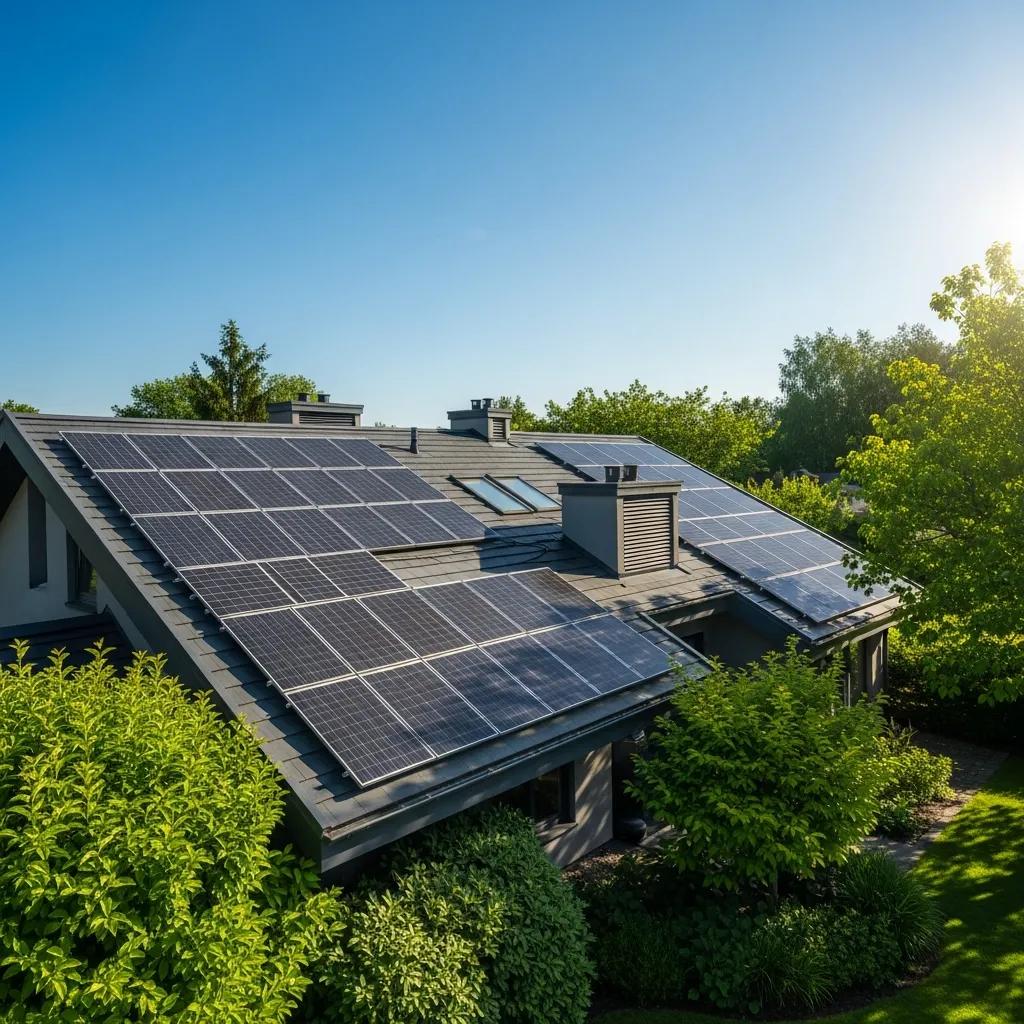
Best Solar Panel Types for Residential Use: Choosing Efficient and Cost-Effective Solutions
Selecting the right solar panel for residential use is crucial for homeowners who want to harness renewable energy effectively. With several options available, understanding the differences between solar panel types helps you make an informed choice. This article explores the main residential options—monocrystalline, polycrystalline, and thin-film—focusing on efficiency, cost, and suitability for homes. You will also find key homeowner considerations and an overview of financial incentives available in Puerto Rico.
Monocrystalline Solar Panels
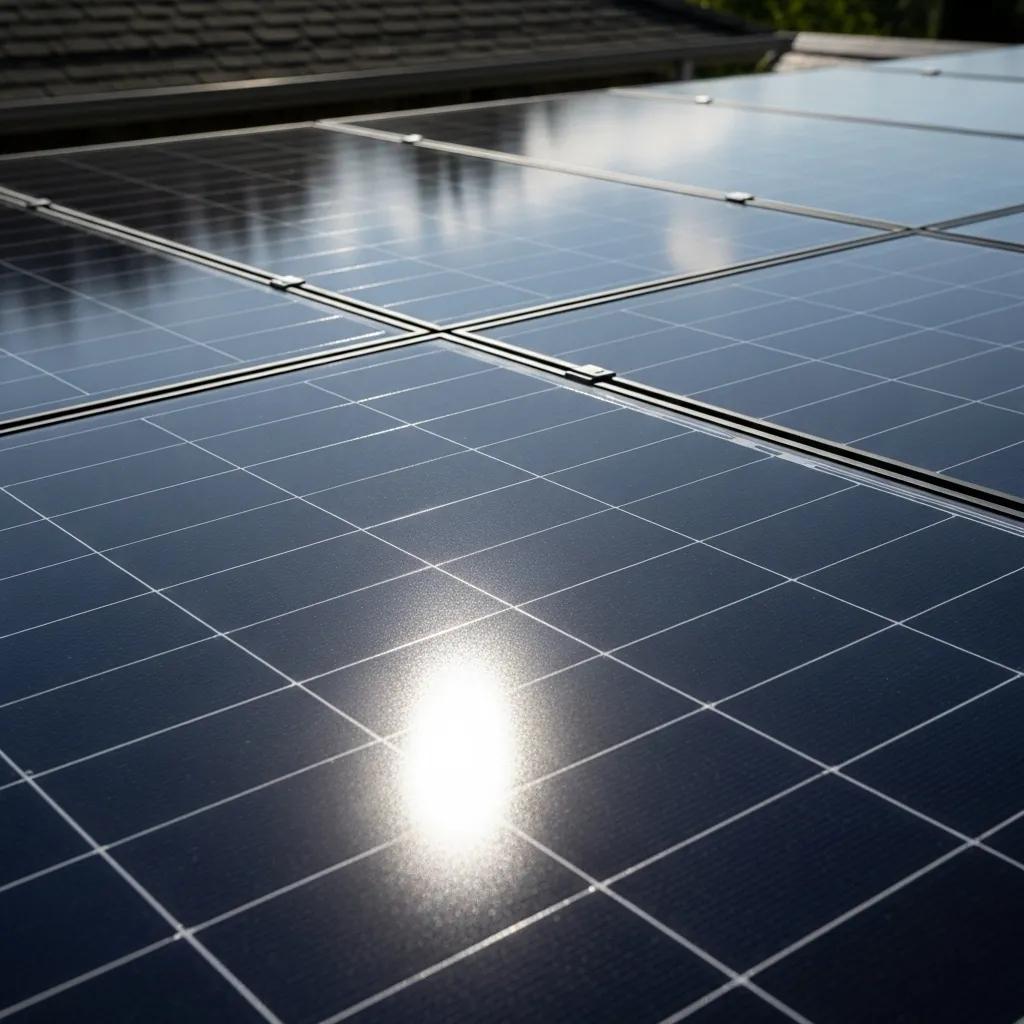
Monocrystalline solar panels are known for high efficiency and a sleek appearance. Made from a single crystal structure, they convert sunlight into electricity more effectively than other common types. Typical efficiency ranges from 15% to 22%, so they are popular for homeowners with limited roof area. Although the upfront cost is higher, better long-term performance can translate into greater lifetime savings. These panels are also designed to tolerate higher temperatures, supporting durability and reliable output over time.
Polycrystalline Solar Panels
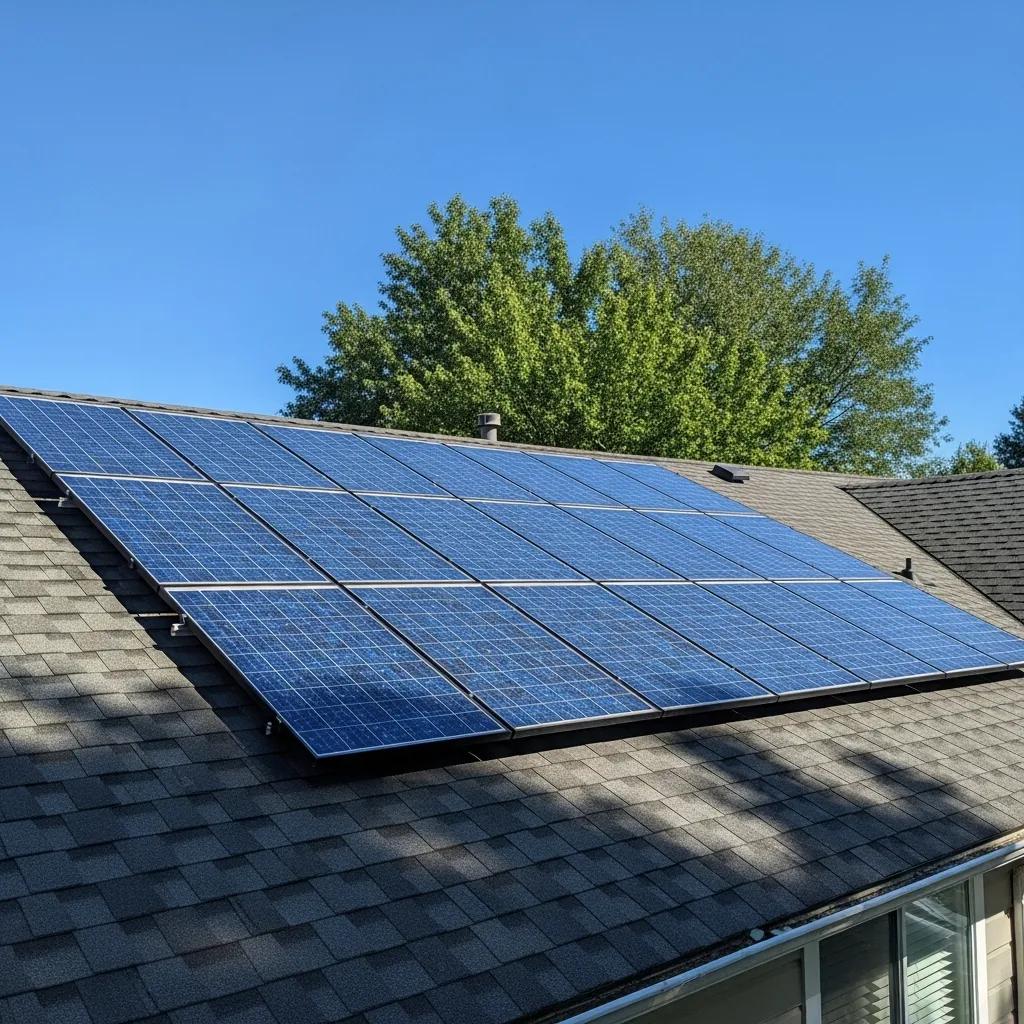
Polycrystalline panels are a common, cost-conscious residential option. Made from multiple crystal structures, they are typically less efficient (about 13%–16%) but usually come at a lower price than monocrystalline panels. While they may be less resilient in extreme heat, polycrystalline panels still deliver reliable performance for many households and can be a good fit when budget and available roof area are the primary constraints.
Thin-Film Solar Panels
Thin-film panels use a deposited photovoltaic material on a substrate, producing a lightweight and flexible product. Their efficiency generally falls between 10% and 13%, making them the least efficient of the three. Thin-film’s main advantages are lower upfront cost and versatile installation options. For homeowners with ample roof space who prioritize lower initial expense, thin-film panels can be attractive despite the efficiency trade-off.
Comparisons
Key comparison factors are efficiency, cost, and space requirements. The following table summarizes these differences:
In short, monocrystalline offers the best efficiency per square foot but costs more. Polycrystalline balances cost and performance, while thin-film is the most budget-friendly option that needs more installation area.
Key Considerations for Homeowners
When choosing panels, homeowners should account for several practical factors. These include:
- Durability and Performance: Select panels that withstand local weather, especially in areas prone to high temperatures or storms.
- Warranty and Reliability: Strong warranties indicate manufacturer confidence and can protect your long-term investment.
- Installation Space and Orientation: Assess roof area and orientation to maximize sunlight exposure for the chosen panel type.
For homeowners in Puerto Rico, consulting a local expert is especially valuable to address climate-specific concerns and incentives. Pro Solar Puerto Rico specializes in residential and commercial installations and can recommend tailored solutions.
What Are the Key Differences Between Monocrystalline and Polycrystalline Solar Panels?
The primary differences are efficiency, cost, and manufacturing. Monocrystalline panels use a single crystal structure and typically offer higher efficiency and better low-light performance. Polycrystalline panels are made from multiple crystals, which yields slightly lower efficiency but usually a lower purchase price. Homeowners should weigh these trade-offs against budget and space constraints.
How Does Efficiency Compare Between Monocrystalline and Polycrystalline Panels?
Efficiency directly affects energy production. Monocrystalline panels can reach up to about 22%, while polycrystalline panels typically reach around 16%. When roof space is limited, higher-efficiency panels produce more power per square foot, often making them the better long-term choice despite higher upfront costs.
What Are the Cost and Durability Considerations for Each Panel Type?
Monocrystalline panels generally cost more but often include longer warranties and stronger durability. Polycrystalline is more affordable but may have a shorter useful life in some cases. Thin-film panels are least expensive initially but can require more frequent replacement. Evaluate both upfront cost and expected lifespan to determine the best value.
Are Thin Film Solar Panels Suitable for Residential Use in Puerto Rico?
Thin-film panels can be suitable in Puerto Rico for homeowners with large roofs who prioritize a lower initial investment. Their lightweight design can simplify certain installations, but homeowners should consider lower energy output and potential long-term replacement costs when comparing options.
How Does Solar Panel Efficiency Impact Residential Energy Savings?
Panel efficiency affects how much electricity you generate from available sunlight. Higher-efficiency panels produce more electricity per square foot, which can lower monthly energy bills and reduce the number of panels needed. Lower-efficiency panels require more roof area to match the same output, which can increase installation costs if space is limited.
What Are the Typical Costs and Financial Benefits of Residential Solar Panels?
System costs vary with panel type and installation complexity. Homeowners should expect a broad range depending on system size and equipment choices. Financial benefits include lower energy bills, potential tax credits, rebates, and increased property value. Exploring incentives and financing can improve the system’s payback profile.
What Incentives and Financing Options Are Available for Puerto Rico Homeowners?
Homeowners in Puerto Rico may access federal and local incentives, such as tax credits, rebates, and low-interest loans. Some financing plans let homeowners pay over time, reducing the immediate outlay. A local solar provider can help identify programs and financing that match your situation.
Frequently Asked Questions
What factors should I consider when choosing solar panels for my home?
Evaluate efficiency, cost, durability, and available installation space. Consider local climate and weather—some panels cope better with extreme temperatures. Review warranty terms to gauge manufacturer confidence, and match the system size to your energy needs and budget.
How long do solar panels typically last?
Most panels last 25 to 30 years or more with proper maintenance. Monocrystalline panels often come with 25-year warranties. Polycrystalline may have slightly shorter lifespans, and thin-film panels may require more frequent replacement. Regular upkeep helps extend system life.
Can I install solar panels myself, or should I hire a professional?
While DIY installations are possible, hiring a professional is generally recommended. Professionals design, install, and connect systems correctly, handle permits, and often include installation warranties that protect performance and safety.
What maintenance do solar panels require?
Maintenance is typically minimal: periodic cleaning and inspections. Remove debris or dirt that blocks sunlight, clean panels with water and a soft brush when needed, and schedule professional inspections every few years to catch issues early.
Are there any environmental benefits to using solar panels?
Yes. Solar panels reduce reliance on fossil fuels and lower greenhouse gas emissions. Using solar energy decreases air pollution and supports a more sustainable energy mix.
What should I know about net metering for solar energy?
Net metering allows homeowners to receive credit for excess electricity sent back to the grid, lowering net energy bills. Policies vary by utility and region, so check your local provider to understand how net metering applies to your installation.
Conclusion
Choosing the right solar panel type can improve your home’s energy efficiency and deliver long-term savings. Understanding the differences between monocrystalline, polycrystalline, and thin-film panels helps you select the option that best fits your roof space, budget, and performance goals. Consider efficiency, cost, installation constraints, warranties, and local incentives when planning a system. Consult local professionals and available resources to find the best solar solution for your home.